
Which Setup for Bass Fishing?
Gander Mountain Baitcaster Reel vs Vortex Spinning Rod: Which Setup for Bass Fishing?
Bass fishing demands the right balance of power, precision, and control—and your choice between a baitcaster vs spinning rod shapes every cast you make. At Gander Mountain, we’ve built both our Baitcaster Reel and Vortex Spinning Rod to deliver that performance, but each excels in different scenarios.
This guide walks through the real-world differences—casting distance, lure weight, accuracy, learning curve—so you can match your setup to the water you fish and the techniques you rely on. Whether you’re pitching jigs into heavy cover or working finesse baits along drop-offs, one of these setups will fit your style better than the other.
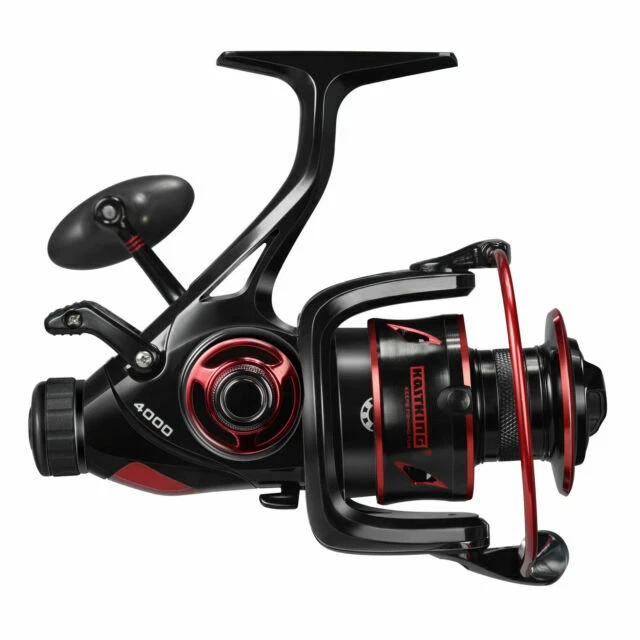
Casting Distance and Lure Weight: Where Each Setup Shines
Baitcasters excel with heavier lures—anything from half an ounce up—and deliver longer, more controlled casts when you’re throwing crankbaits, spinnerbaits, or heavy Texas rigs. The spool design on our Baitcaster Reel spins freely in both directions, letting heavy baits pull line without the friction you’d feel on a spinning setup.
Spinning rods, by contrast, handle lighter presentations better. Our Vortex Spinning Rod pairs with spinning reels to cast finesse baits—soft plastics, drop-shots, light jerkbaits—with minimal effort. The line peels off the spool in loops rather than straight pulls, which means you can launch a quarter-ounce bait farther and more accurately than most baitcasters manage.
If your typical bass outing involves both heavy and light techniques, you’ll eventually want both setups. But if you’re choosing one to start, pick based on the lure weights you throw most often.
Accuracy and Control in Tight Cover
Baitcasters offer superior pinpoint accuracy once you’ve mastered thumb control. The design lets you feather the spool mid-cast, stopping the lure exactly where you want it—a key advantage when you’re pitching under docks or dropping baits into narrow gaps in lily pads. That same control also prevents backlashes, though the learning curve is real.
Spinning setups are more forgiving for new anglers and still deliver excellent accuracy at short to medium range. The bail system on a spinning reel means you’re less likely to tangle line during a cast, and you can work a bait through brush without worrying about spool overrun. If you’re fishing open water or targeting bass along weed edges, the Vortex Spinning Rod gives you all the precision you need without the practice time baitcasters demand.
For tournament anglers or those who fish heavy cover regularly, the baitcaster’s edge in control becomes noticeable fast. For weekend trips or multi-species fishing, the spinning rod’s ease of use wins.
Line Capacity and Drag Performance
Baitcasters hold more line in heavier test weights, which matters when you’re targeting bigger bass or fishing around structure that demands heavy fluorocarbon or braided line. Our Baitcaster Reel accommodates 12- to 20-pound test comfortably, and the drag system delivers consistent pressure even when a four-pound largemouth makes a hard run toward submerged timber. The Take Me Fishing guide to rods and reels explains how drag-to-line-capacity ratios affect hookup rates across different rod types.
Spinning reels typically hold lighter line—6- to 12-pound test—and the drag operates through a different mechanism that’s smoother at lower settings but can struggle under sustained heavy load. That’s not a weakness if you’re fishing finesse techniques; it’s a design choice that matches the Vortex Spinning Rod’s intended use.
If your local lakes hold bass over five pounds and you’re pulling them out of heavy cover, the baitcaster’s line capacity and drag strength become critical. If you’re working cleaner water with lighter baits, the spinning setup’s lighter drag is actually an advantage—it protects thinner line from breaking on the hookset.
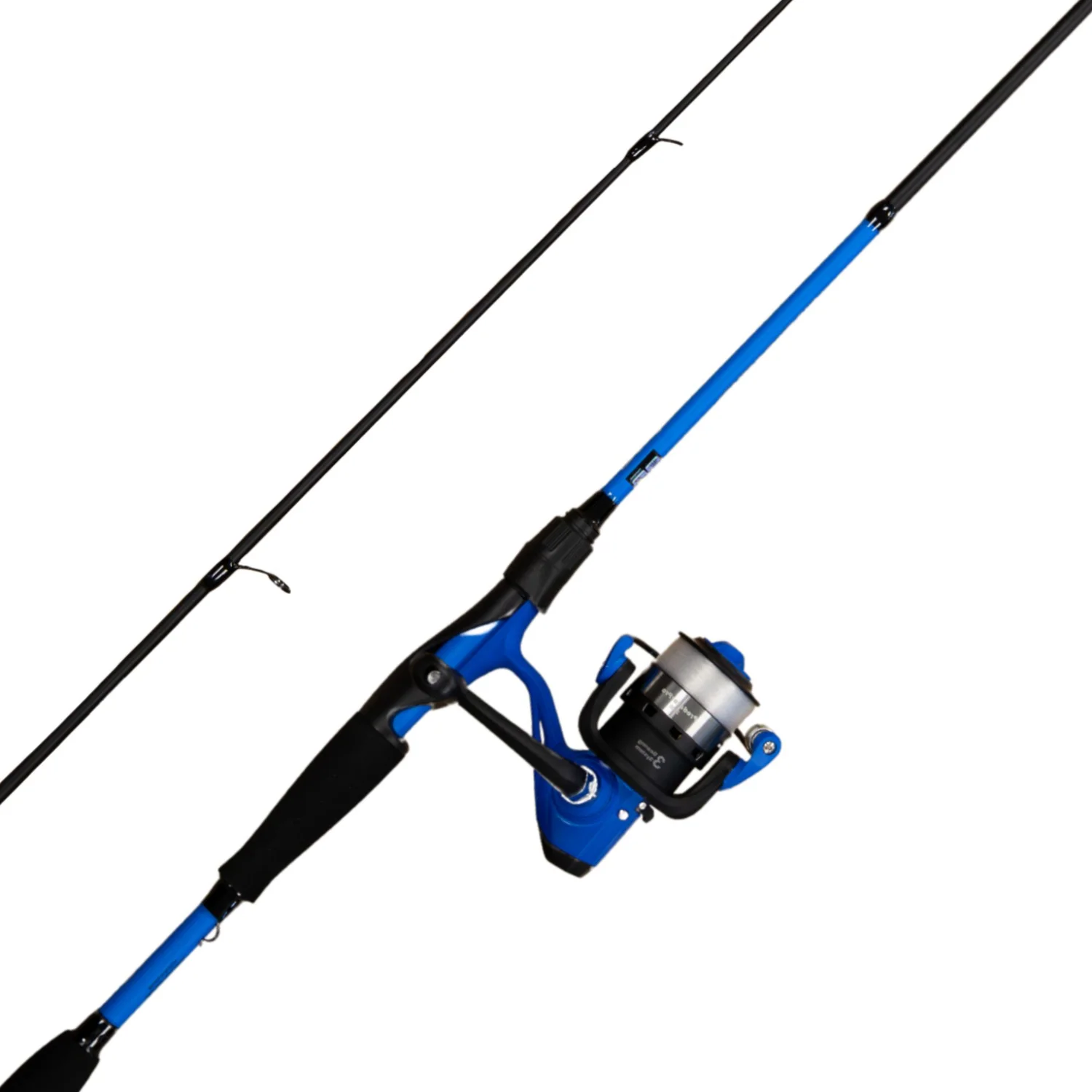
Ergonomics and All-Day Comfort
Baitcasters mount on top of the rod, which means your wrist stays in a more neutral position during repetitive casts. That orientation reduces fatigue over a full day of fishing, especially when you’re making dozens of casts per hour. The trigger grip on our Baitcaster Reel setup also gives you a solid reference point for thumb control, which becomes second nature after a few outings.
Spinning rods hang the reel underneath, which requires a slightly different wrist angle but distributes weight more evenly along your forearm. The Vortex Spinning Rod balances well even with a fully loaded reel, and the longer grip accommodates two-handed casting when you need extra distance. If you’re wading or fishing from a kayak, the spinning setup’s lower profile also means fewer snags on clothing or gear.
Both setups work for all-day trips, but your casting style and physical comfort determine which feels better. If you’re making short, accurate pitches all day, the baitcaster’s top-mount design reduces strain. If you’re covering water with longer casts, the spinning rod’s balance keeps your arm fresh.
Choosing Your Bass Fishing Setup
The choice between our Baitcaster Reel and Vortex Spinning Rod comes down to the lures you throw most often and the water you fish. Baitcasters deliver unmatched accuracy and power for heavier presentations and tight cover, while spinning rods give you finesse capability and a shorter learning curve for lighter techniques.
Neither setup is universally better—they’re built for different jobs, and serious bass anglers eventually own both. If you’re starting fresh or adding to your arsenal, match your choice to your most common fishing scenario. For pitching jigs and working heavy structure, the baitcaster is the tool. For drop-shots and open-water finesse, the Vortex Spinning Rod is the answer. Both setups are ready to fish hard, and both will help you land more bass once you’ve paired the right tool to the technique.
Common Questions About Baitcaster and Spinning Rod Setups
You can, but each setup has a clear advantage depending on lure weight and presentation. Baitcasters handle heavier baits and tight-cover accuracy better. Spinning rods excel with finesse techniques and lighter lures. Most experienced bass anglers carry both and switch based on the specific technique they’re running.
Most anglers get comfortable with basic thumb control after two or three outings, though mastering backlash prevention and pinpoint accuracy takes a full season of regular use. Starting with heavier lures and adjusting your reel’s brake system helps flatten the learning curve.
Shore anglers often prefer spinning rods because longer casts help cover more water, and the forgiving bail system reduces tangles when vegetation is close behind you. Boat anglers working tight to structure benefit more from baitcasters, which deliver better accuracy and control at short range.
Baitcasters work best with fluorocarbon or braided line in heavier tests, which handle abrasion and provide direct hooksets. Spinning reels perform better with lighter monofilament or thin-diameter braided line that casts smoothly and doesn’t twist. Matching line type to reel design prevents tangles and maximizes casting distance.
Beginners typically find spinning rods easier to learn because the bail system prevents most tangles and the setup requires less technique to cast effectively. Once you’re comfortable with basic casting and retrieval, adding a baitcaster to your arsenal makes sense if you plan to fish heavier lures or tight cover.
Both setups last for years with proper maintenance, but baitcasters require more frequent cleaning and lubrication because the spool and braking system collect dirt and grime faster. Spinning reels are more forgiving of casual maintenance but eventually need bail spring and roller bearing replacement if you fish heavily.