
How Gander Mountain’s Roto-Molded Cooler Construction Actually Works
Roto molded cooler construction has become the industry standard for serious outdoor enthusiasts who need ice retention measured in days, not hours. At Gander Mountain, we use rotational molding to build coolers with zero weak points — no seams, no glue joints, just a single continuous shell of polyethylene.
Understanding how this process works explains why these coolers cost more upfront but last decades longer than foam-and-shell alternatives. The method itself determines wall thickness, insulation density, and structural integrity before the first latch or hinge gets installed.
The Rotational Molding Process: Heat, Rotation, and Polyethylene
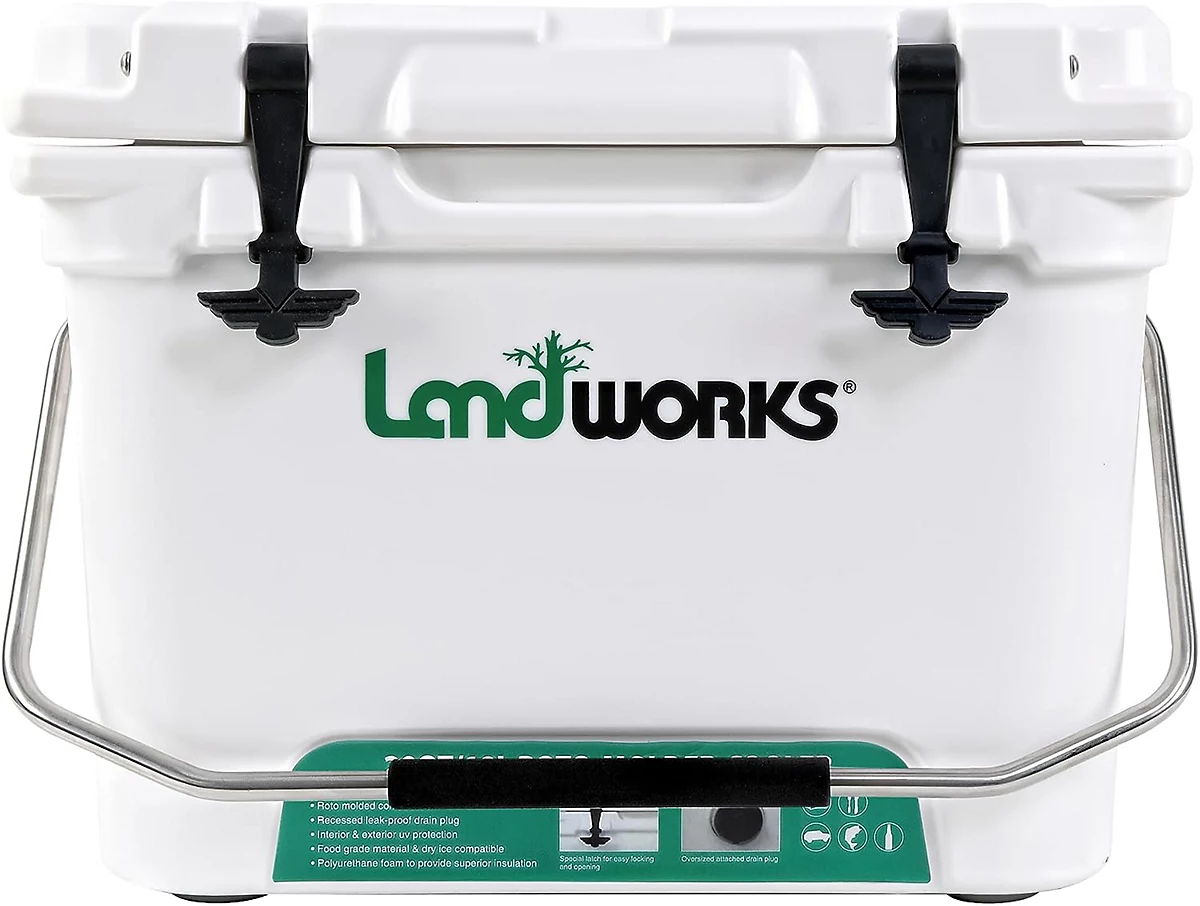
Rotational molding starts with food-grade polyethylene resin loaded into a large aluminum mold shaped like the cooler body. The mold rotates on two axes inside an industrial oven heated to around 500°F.
As the polyethylene melts, centrifugal force pushes it outward against every interior surface of the mold, coating it evenly. The rotation continues until the plastic fully fuses into a seamless shell with no joints or weld lines. Cooling locks in that shape.
This differs fundamentally from injection-molded truck bed covers, which force molten plastic into a closed cavity under pressure. Rotational molding builds thickness gradually through repeated coating passes rather than a single high-pressure shot.
Why Wall Thickness Varies Across the Cooler Body
One advantage of roto molding is controlled thickness variation. Corners and high-stress areas naturally receive more material during rotation because resin pools there slightly longer before solidifying.
We monitor wall gauges during production to ensure minimum thickness specs in the lid, base, and vertical walls. Typical measurements range from 0.25 inches in flat panels to over 0.5 inches at reinforced hinge mounting zones.
Thicker walls mean better insulation but also more weight. A 65-quart roto-molded cooler typically weighs 35-40 pounds empty, compared to 15-20 pounds for a foam-core equivalent. That mass is structural, not filler — the same plastic forms both the inner and outer shell with foam injected between them after demolding.
Foam Injection and Insulation Density
After the polyethylene shell cools and exits the mold, we inject closed-cell polyurethane foam through ports in the cooler base. This foam expands to fill the cavity between inner and outer walls, then cures into rigid insulation.
Density matters here. We target 2.0 pounds per cubic foot for the lid and sidewalls, which blocks thermal transfer more effectively than the 1.0-1.5 PCF foam found in economy coolers. According to the ISO 23953 standard for thermal insulation, every half-pound increase in foam density adds roughly 10-15% to overall R-value.
The injection ports get sealed with threaded plugs after foaming. You’ll see these small circular caps on the underside of most roto-molded coolers — they’re not defects, just access points for the insulation process.
Seamless Construction Eliminates Common Failure Points
Traditional coolers use separate injection-molded panels joined with adhesive or ultrasonic welding. Those seams become leak paths over time as UV exposure, temperature cycling, and physical stress degrade the bonds.
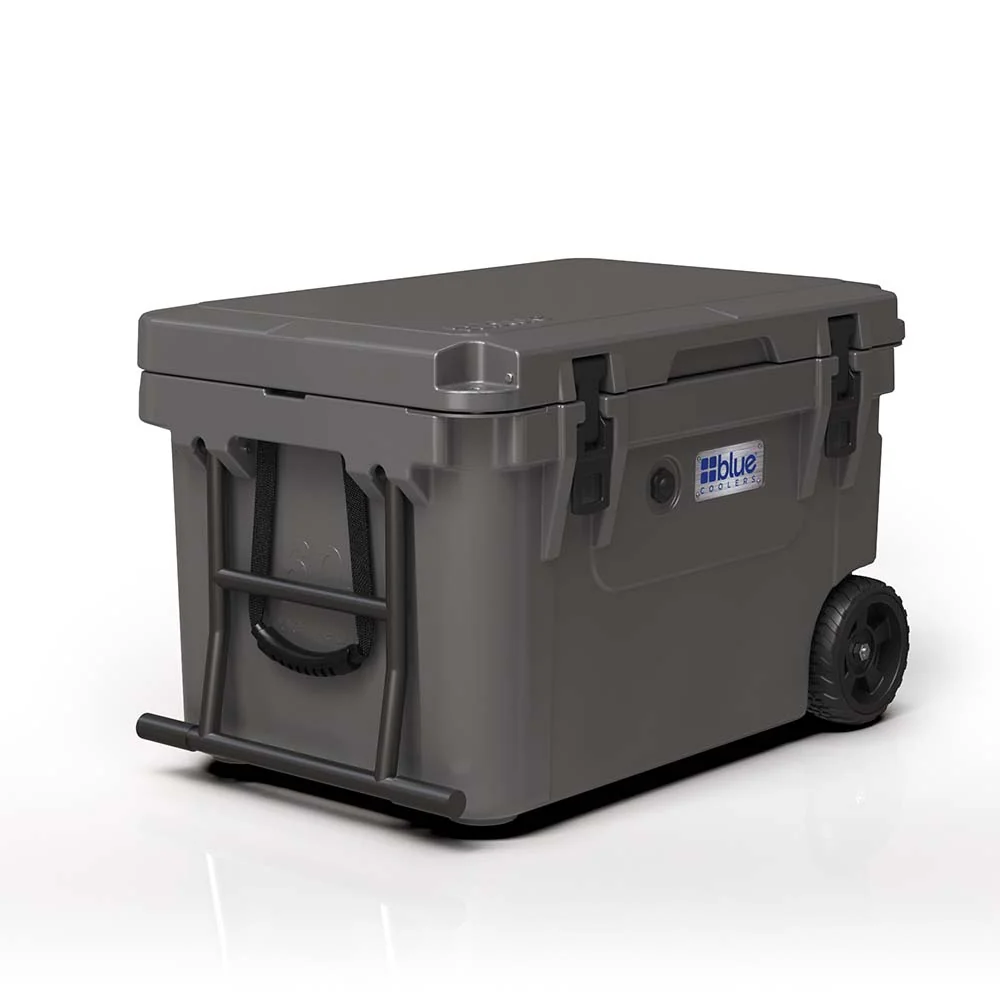
Roto molding produces a single continuous part with no seams anywhere in the body or lid. There’s nothing to delaminate. The plastic itself — not a glue joint — holds the structure together.
This seamless design also simplifies repair. If a hinge mount cracks after years of heavy use, replacement hardware installs through the same holes with stainless bolts. The surrounding polyethylene doesn’t crumble or split like fiberglass or thin ABS plastic would.
Material Selection: Food-Grade Polyethylene and UV Stabilization
We specify virgin LLDPE (linear low-density polyethylene) resin for all cooler shells. Virgin material costs more than recycled content but delivers consistent melt flow and molecular weight, which translates to uniform wall thickness and fewer voids.
UV stabilizers mixed into the resin protect against sun degradation. Most roto-molded coolers use 2-3% carbon black or titanium dioxide as a UV blocker, which is why you rarely see transparent or light-colored models.
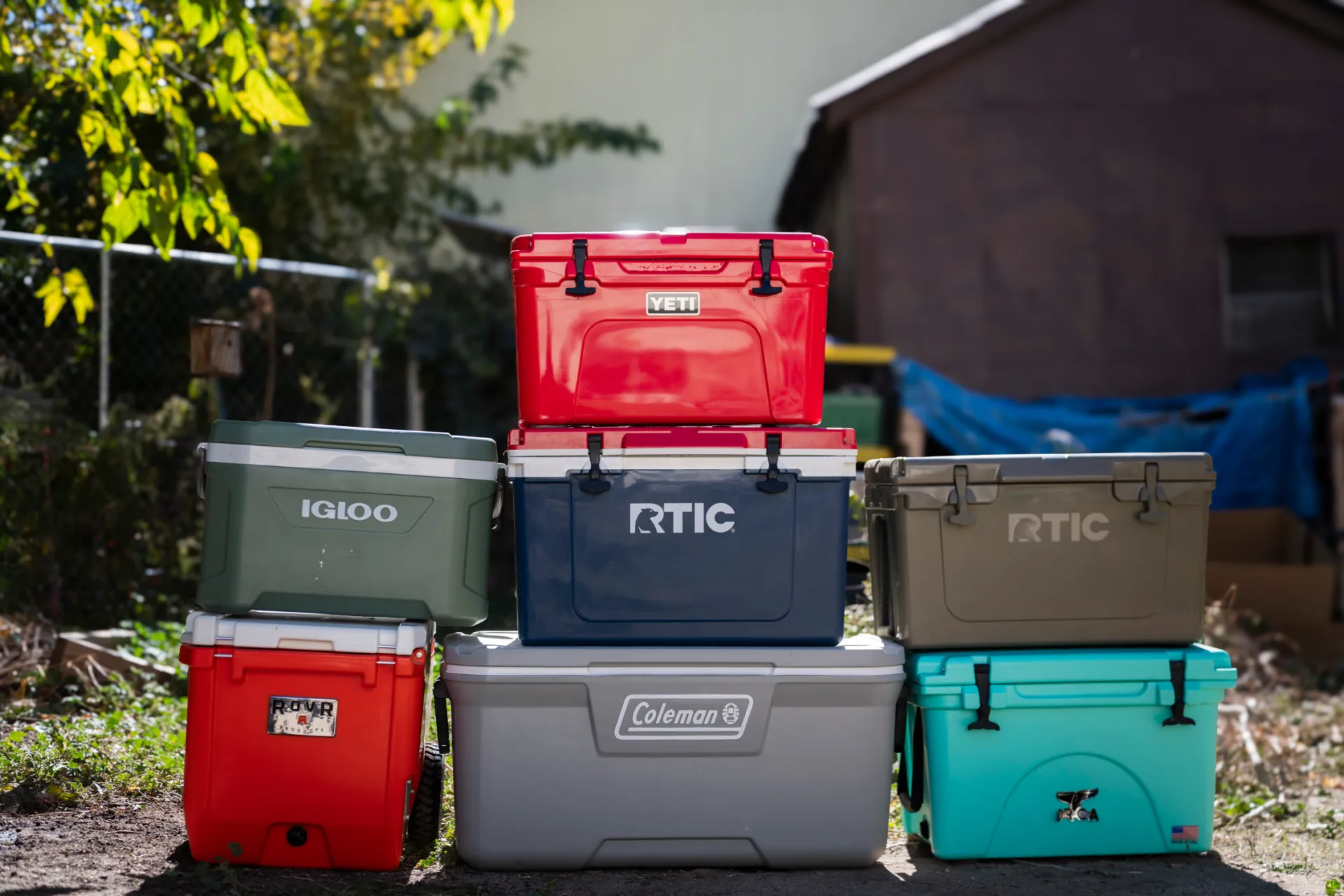
Polyethylene’s flexibility also matters. It absorbs impact without cracking — drop a roto-molded cooler off a tailgate and the corners might dent, but the shell won’t shatter the way rigid ABS or polypropylene often does.
Why This Manufacturing Method Defines Premium Cooler Performance
Roto molded cooler construction isn’t just a manufacturing choice — it’s the reason these coolers hold ice for a week, survive being dropped from truck beds, and outlast cheaper alternatives by a decade or more. The seamless shell, controlled wall thickness, and high-density foam injection work together as a system.
When you’re comparing coolers, ask whether the body is roto molded or assembled from separate panels. That single detail tells you more about long-term durability than any marketing claim about ice retention or bear resistance.
Common Questions About Rotational Molding in Coolers
A complete cycle typically runs 45-60 minutes depending on cooler size and wall thickness. Heating and rotation take 20-25 minutes, followed by 15-20 minutes of controlled cooling. Larger coolers or models with thicker walls require longer oven time to ensure the polyethylene fully melts and fuses.
Minor cracks can be plastic-welded using a hot-air gun and polyethylene welding rod, similar to repairing kayak hulls. The repair won’t look factory-perfect but restores structural integrity. Deep gouges that penetrate the foam core are harder to fix and usually require professional repair or warranty replacement.
The continuous polyethylene shell is thicker and denser than thin-wall injection molding or vacuum-formed plastic. Thicker walls provide better insulation and impact resistance but add weight. A 65-quart model typically weighs 35-40 pounds empty, while a comparable foam-core cooler weighs 15-20 pounds.
The process itself doesn’t directly determine ice life — insulation thickness and foam density do. However, roto molding enables thicker walls and seamless construction, which eliminate thermal bridging at seams. This typically adds 15-25% to ice retention compared to glued or welded coolers with the same foam grade.
With reasonable care, expect 15-20 years or more. The polyethylene shell resists UV degradation and won’t delaminate like glued panels. Hinges, latches, and drain plugs are the wear items that may need replacement over time, but the body and insulation remain intact.